Cooked to Order, Every Time
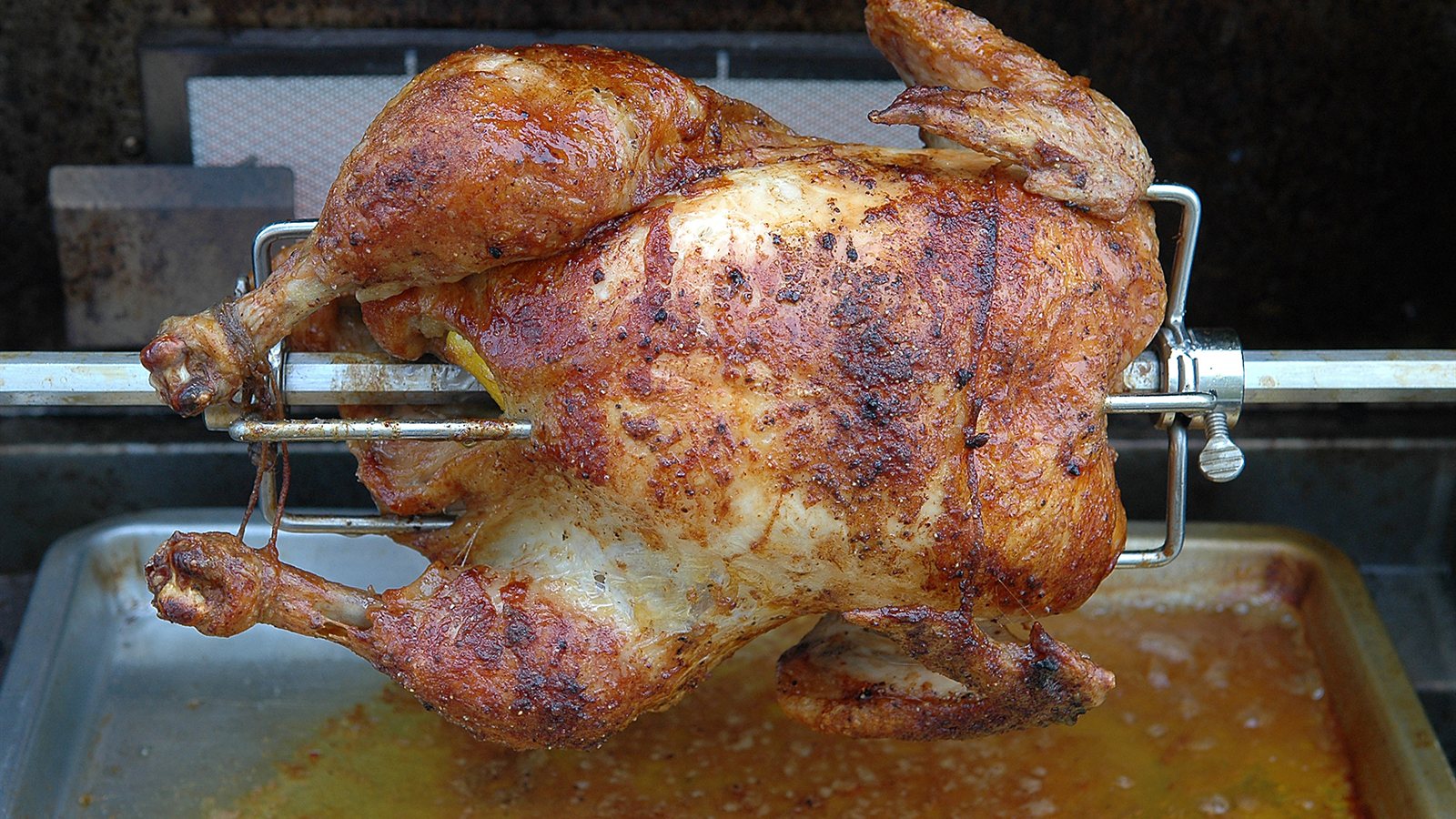
Nothing is fried in advance and held under a lamp. Chicken goes into the fryer when the order is placed, which means a wait of five or six minutes and a piece that is genuinely crisp rather than steamed soft inside its own box. The rotisserie birds turn continuously and are carved to order. At the busiest hours we run more fryers rather than pre-cooking, and if the queue is long the counter tells you the real waiting time instead of an optimistic one. People plan their journeys around stops that are worth the six minutes.
Clean Oil, Written on the Wall
Old oil is what makes roadside food taste bad and sit badly afterwards. Ours is filtered at every shift change, tested with a polarity meter and changed on a fixed schedule that is posted where customers can read it, along with the date of the last change. Fryers are stripped and cleaned twice a day. It costs noticeably more than the industry norm and it is the single most common reason drivers give for choosing us over the alternative at the next junction.
Safe, Easy Access
Every site has a proper entry and exit with sight lines in both directions, hard standing large enough for lorries and vans, marked pedestrian routes from the parking to the counter, and lighting designed so the whole area is visible at night. Nobody has to cross a fast lane on foot or reverse blind onto a carriageway. Two sites have separate lorry parking with a rest area and washroom access, which is the reason professional drivers make up a third of our custom.
Open When You Need It
Kitchens open at eleven in the morning and close at two the following morning, seven days a week, and four of them run twenty-four hours from Thursday to Sunday. That is deliberately built around when people are actually travelling rather than around office hours. The trucks cover markets, events and the industrial estates at lunchtime. Opening times are published per site and kept to, and if a kitchen has to close early the notice goes out on our channels before anybody drives there.
A Short Menu Done Well
Eleven items rather than sixty: fried chicken by the piece or the bucket, a rotisserie half or whole bird, two sandwiches, chips, slaw, corn, three sauces and two drinks. A short menu means fresher stock, faster service, less waste and a kitchen that can be run properly by three people at two in the morning. It also means everything on it is genuinely good, which is not something a sixty-item roadside menu has ever managed anywhere.
Prices That Do Not Punish Travellers
Roadside food is often priced on the assumption that the customer has no choice. Ours costs roughly what the same food costs in town, drinks are not marked up beyond reason, and there are no charges for sauce, napkins or the use of the washroom. Professional drivers get a standing discount and a free coffee with any hot order. Prices are displayed clearly at the counter and on the board outside so nobody has to queue to find out what a meal will cost.